Types of Fabric Explained: A Complete 2026 Guide to Natural, Synthetic and Blended Materials

What Is Fabric Made Of?
Fabric is a material made by weaving, knitting or bonding fibres together. Those fibres fall into three broad groups: natural, synthetic and semi-synthetic. Every fabric decision starts with knowing which group you are working with, whether you are buying a jumper, choosing curtains or sewing a dress.
The Three Main Fabric Categories
Natural Fabrics
These are grown from plants or taken from animals. Cotton, linen, silk and wool sit in this group. They tend to breathe well and feel soft against the skin, though they usually need more careful washing.
Synthetic Fabrics
These are man-made from chemical processes, mostly petroleum-based. Polyester, nylon and spandex are the most common examples. They resist wrinkling, dry quickly and hold their shape. However, they are less breathable and slower to break down after disposal.
Blended and Semi-Synthetic Fabrics
Blends mix natural and synthetic fibres, such as cotton-polyester shirts, to balance comfort with durability. Semi-synthetic fabrics such as rayon, modal and lyocell start life as wood pulp. As a result, they sit between the other two groups: plant-based origin, but a chemical manufacturing process.
Natural Fabric Types Explained
Cotton
Cotton is soft, breathable and easy to wash. It suits everyday clothing, bedsheets and warm-weather wear well. That said, it can shrink in hot water and wrinkles easily.
Linen
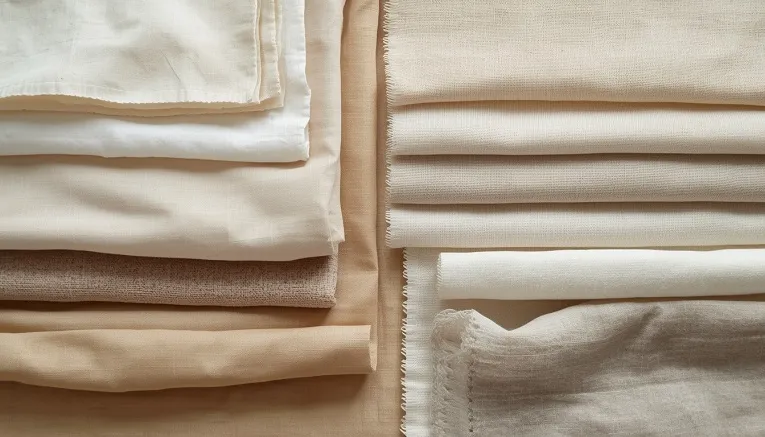
Made from flax fibres, linen is cool, breathable and long-lasting. This makes it a summer favourite for clothing and curtains alike. It creases more than cotton, though many people simply accept that as part of its relaxed look.
Silk
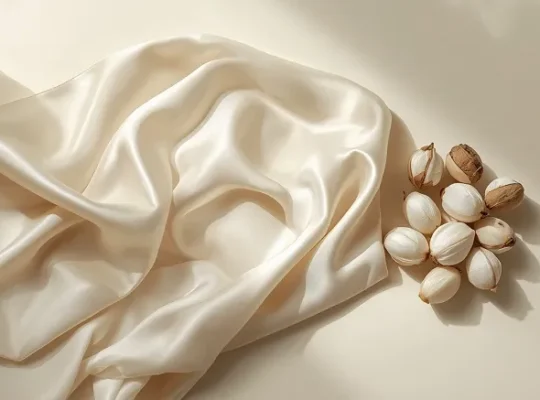
Silk is a protein fibre produced by silkworms. It is smooth, lightweight and naturally hypoallergenic. However, it needs gentle handwashing or dry cleaning and is one of the more expensive natural fabrics.
Wool
Wool is sourced from sheep and other animals such as alpacas and goats. It is warm, elastic and naturally moisture-wicking. Cashmere and mohair are wool variants prized for softness. Wool needs cool washing to avoid shrinkage or felting.
Synthetic Fabric Types Explained
Polyester
Polyester is the most widely produced fabric fibre in the world. It is strong, wrinkle-resistant and quick-drying. On the downside, it is less breathable than natural fibres and not biodegradable.
Nylon
Nylon was developed as a synthetic alternative to silk. It is exceptionally strong and elastic, and is commonly used in activewear, swimwear and hosiery.
Spandex (Elastane)
Spandex is rarely used alone. Instead, it is blended in small amounts with other fibres to add stretch. This is why it turns up in leggings, swimwear and fitted clothing.
Semi-Synthetic Fabrics: The Middle Ground
Rayon
Rayon is made from wood pulp, giving it a silk-like drape at a lower price. It handles dye well, though it loses strength when wet, so gentle washing is essential.
Modal and Lyocell (TENCEL)
Both are wood-pulp fibres produced through closed-loop manufacturing that reuses water and solvents. This makes them a genuinely lower-impact choice. Modal is prized for its softness in loungewear and bedding, while lyocell is valued for its smooth finish and durability.
Natural vs Synthetic Fabric: Quick Comparison
| Factor | Natural Fabrics | Synthetic Fabrics |
|---|---|---|
| Breathability | High | Lower |
| Durability | Moderate | High |
| Care requirements | Often specific (handwash, dry clean) | Usually machine washable |
| Biodegradability | Yes | Mostly no |
| Cost | Varies, often higher (silk, wool) | Generally lower |
| Best for | Everyday clothing, bedding, summer wear | Activewear, outdoor gear, budget clothing |
How to Choose the Right Fabric for Your Project
For Clothing
Match the fabric to the season and function. Linen and cotton suit warm weather. Wool suits winter layering. Synthetic blends suit activewear that needs stretch and durability.
For Home Textiles
Curtains and upholstery need to consider light control and wear. Heavier cottons and blackout-lined synthetics work well in bedrooms, while linen suits airy living spaces. Our Home Textiles & Interiors guide covers this in more depth.
For Sustainability
Organic cotton, linen, hemp, modal and lyocell currently offer the best balance of comfort and lower environmental impact. See our full breakdown in the Sustainable & Eco Textiles section.
Sustainable Fabric Trends Shaping 2026
Search interest in sustainable fabrics has grown sharply over the past year. Three materials are leading that shift:
- Organic cotton, grown without synthetic pesticides, using less water than conventional cotton
- TENCEL (lyocell), closed-loop production with minimal waste
- Recycled polyester and nylon, made from post-consumer plastic and fabric waste, reducing landfill impact
Fabric Weight and Weave: Why They Matter
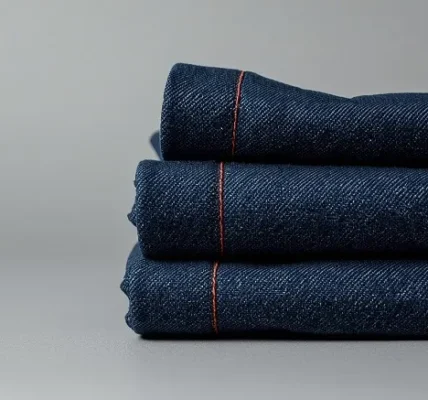
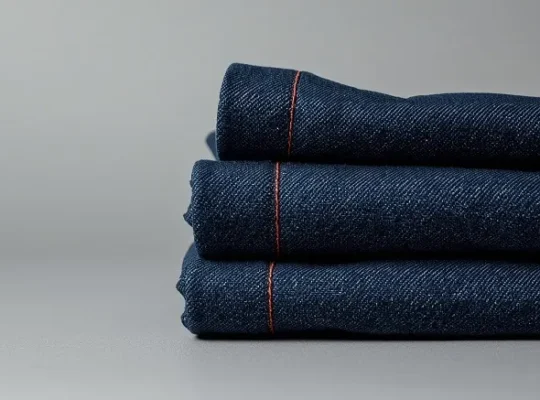
Weight, measured in GSM (grams per square metre), affects how a fabric drapes, insulates and wears over time. A plain weave, like poplin, is tight and durable. A twill weave, like denim, is diagonal and hard-wearing. A satin weave gives a glossy, fluid finish suited to eveningwear rather than everyday use.
Fabric Care Basics by Type
- Cotton and linen: machine washable, cool to warm water, low heat when tumble drying
- Silk and wool: handwash or dry clean, always air dry, avoid direct sunlight
- Polyester and nylon: machine washable, low heat, dries quickly
- Rayon and modal: gentle cycle or handwash, avoid wringing while wet
For a complete routine, our Textile Care & Conservation guide covers storage and stain removal in detail.
Common Fabric Myths
All natural fabrics are automatically more sustainable. Not always true. Conventional cotton farming uses large amounts of water and pesticides, so an organic or recycled synthetic can sometimes have a lower footprint.
Synthetic fabrics are always uncomfortable. This is outdated. Modern technical synthetics are engineered specifically for moisture-wicking comfort, which is why they dominate activewear.
Frequently Asked Questions
What are the three main types of fabric?
Natural (cotton, linen, silk, wool), synthetic (polyester, nylon, spandex) and semi-synthetic (rayon, modal, lyocell).
Is rayon a natural or synthetic fabric?
Neither, strictly speaking. Rayon is semi-synthetic: it starts from natural wood pulp but goes through a chemical process to become fibre.
Which fabric is best for hot weather?
Linen and cotton are the top choices, thanks to their breathability and moisture absorption.
What is the most sustainable fabric in 2026?
Organic cotton, hemp and closed-loop lyocell (TENCEL) are currently considered among the lower-impact options available at scale.
Can I mix fabric types in one wash load?
It is safer to separate by care requirement rather than fibre type. Delicate natural fibres like silk and wool should always be washed apart from heavier synthetics.
Related Reading
Written by the Textile Conservancy editorial team, dedicated to helping readers understand fabric, care for it properly, and make more sustainable material choices.