Waterproof Fabric Guide: Coatings, Membranes and Hydrostatic Head Ratings Explained
A complete guide to waterproof fabric: PU and PVC coatings, membrane laminates like Gore-Tex, hydrostatic head ratings, and how to choose and care for each.
The Textile Conservancy is dedicated to preserving textile heritage through high-quality educational content, expert insights, and practical conservation knowledge. Our platform serves conservators, museum professionals, researchers, heritage organisations, collectors, educators, and students who are passionate about protecting historic textiles for future generations.
We welcome contributions from experienced professionals who can share valuable knowledge, real-world case studies, research findings, and practical guidance related to textile conservation and heritage preservation. Whether your expertise lies in preventive conservation, conservation science, historic costume preservation, museum collection care, or textile research, we would be pleased to consider your submission.
If you’re searching for Textile Write for Us, Textile Conservation Guest Post, Museum Conservation Write for Us, Heritage Conservation Write for Us, or Historic Textile Guest Post, you’ve found the right place. Our goal is to publish informative, accurate, and practical content that genuinely benefits the conservation community.
Publishing with The Textile Conservancy allows you to reach a highly relevant audience interested in textile conservation and museum best practices. Unlike general guest posting websites, our platform focuses exclusively on textile preservation, historic fabrics, conservation science, and heritage care.
Every accepted article is professionally reviewed to ensure clarity, accuracy, and readability before publication. We believe in publishing content that remains useful for years rather than short-lived promotional articles.
As a contributor, you’ll receive:
We encourage submissions from professionals and organisations with genuine experience in textile conservation and related disciplines. Whether you work in a museum, university, conservation laboratory, archive, or private practice, we value practical knowledge supported by research and professional experience.
We commonly publish articles from:
If your article helps readers better understand the preservation, care, or study of historic textiles, it is likely to be suitable for publication.
We publish original articles covering a broad range of textile conservation and heritage-related subjects. Practical guides, conservation research, case studies, and educational resources are particularly welcome.
Some of the topics we regularly feature include:
If your proposed article falls outside these topics but remains relevant to textile conservation or heritage preservation, you’re welcome to send us your idea for consideration.
To maintain the quality and credibility of our publication, every submission must meet our editorial standards.
Articles should be completely original and must not have been published elsewhere, either online or in print. We do not accept duplicate content, rewritten articles, or low-quality AI-generated material.
We recommend a length of 800 to 2,500 words, although longer articles may be considered where the topic requires additional detail. Our readers value comprehensive resources that explain concepts clearly and provide practical, evidence-based advice.
Content should be written in professional English with a logical structure, clear headings, and a natural writing style. Wherever appropriate, factual claims should be supported by recognised conservation organisations, museum publications, academic research, or other reliable references.
Our editorial team may make minor changes to improve grammar, formatting, readability, and search engine optimisation while preserving the original meaning of your work.
Images can greatly improve an article when they demonstrate conservation techniques, document treatment processes, or illustrate historic textiles.
If you include photographs, diagrams, or illustrations, you confirm that you either own the copyright or have permission to use them. Images should be high quality and accompanied by appropriate captions or credits where required.
The Textile Conservancy offers paid guest post opportunities for businesses, organisations, conservation suppliers, museums, educational institutions, agencies, and professionals wishing to publish high-quality content on our website.
Our publication fee covers the editorial review, formatting, optimisation, and publication process. Every submission is carefully assessed to ensure it aligns with our editorial standards and provides genuine value to readers.
Payment does not automatically guarantee publication. We reserve the right to decline articles that are inaccurate, overly promotional, poorly written, or unrelated to textile conservation and heritage preservation.
If your submission contains promotional references, they must be relevant, transparent, and naturally integrated into educational content.
To protect the quality of our publication, we do not accept content that falls outside our editorial scope or fails to meet professional standards.
This includes:
Submitting an article is straightforward. Please send your completed manuscript together with your professional details so our editorial team can begin the review process.
Your submission should include:
Most submissions are reviewed within 5–10 business days. If revisions are required, our editorial team will contact you before publication.
By submitting content to The Textile Conservancy, you confirm that the article is your own original work and that you have permission to use any accompanying images or illustrations.
You also confirm that the information provided is accurate to the best of your knowledge and does not infringe upon any copyright, trademark, or intellectual property rights. Articles submitted for publication should not have been previously published elsewhere.
To maintain consistency across our website, The Textile Conservancy reserves the right to edit submissions for grammar, formatting, readability, structure, and search engine optimisation. We may also add relevant internal links, improve headings, or update formatting where necessary.
Publication decisions remain entirely at our editorial discretion, and acceptance is not guaranteed.
Yes. We actively welcome articles covering textile conservation, museum collections, preventive conservation, historic textiles, conservation science, heritage preservation, and closely related subjects.
No. All guest posts published on The Textile Conservancy are paid submissions. Pricing is provided after we review your article or topic proposal.
Yes. We generally allow one relevant backlink where it adds value for readers and meets our editorial guidelines.
We only publish promotional content when it is directly relevant to textile conservation, museums, heritage, conservation science, or associated professional services. Every article must remain educational and useful to our audience.
Published articles are expected to remain exclusive to The Textile Conservancy unless prior written permission has been granted.
If you would like to contribute, discuss a guest post, or enquire about our publication fees, we’d be happy to hear from you.
Email: ellenstevensone@gmail.com
When contacting us, please include a brief introduction, your proposed topic or completed article, and any relevant links or supporting information. Our editorial team will review your submission and respond as soon as possible.
We look forward to collaborating with conservators, museum professionals, researchers, heritage specialists, and organisations committed to preserving the world’s textile heritage through high-quality educational content.

A complete guide to waterproof fabric: PU and PVC coatings, membrane laminates like Gore-Tex, hydrostatic head ratings, and how to choose and care for each.
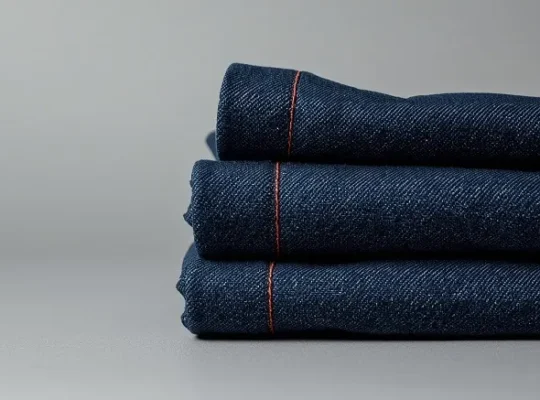
A complete guide to denim fabric: raw, selvedge, washed and stretch denim explained, plus weight, care and sustainable choices.
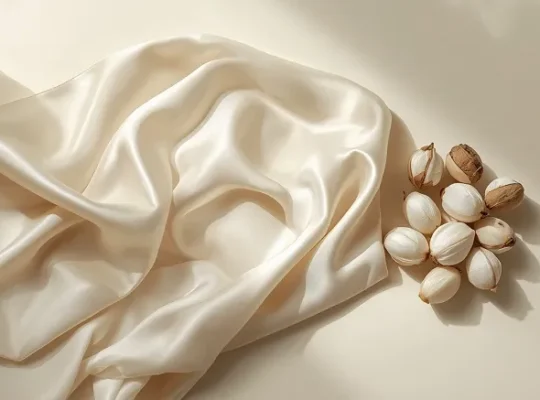
A complete guide to silk fabric: mulberry silk, charmeuse, chiffon and more, plus momme weight, grading, care and how to choose.

A complete guide to table linen fabric: linen, cotton, satin, damask and polyester compared, plus sizing, care and sustainable choices.