Wedding Dress Fabric Guide: Satin, Chiffon, Tulle and Lace Explained

How to Choose Wedding Dress Fabric
Wedding dress fabric shapes silhouette, formality, comfort and cost. Structured fabrics like satin and Mikado suit formal, cold-weather weddings. Lightweight fabrics like chiffon and organza, on the other hand, suit outdoor and warm-weather ceremonies.
Main Wedding Dress Fabric Types
Satin
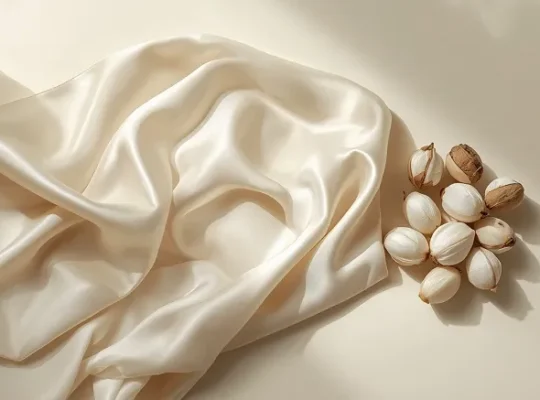
Satin is a smooth, glossy fabric with structure and shine. It suits classic A-line, ballgown and mermaid silhouettes well. This makes it best for indoor, formal and winter weddings.
Chiffon
Chiffon is a sheer, lightweight fabric made from silk or rayon, with a soft matte finish. Its airy drape makes it a favourite for beach, garden and destination weddings.
Tulle
Tulle is a fine, sheer netting fabric that adds volume and a romantic, fairy-tale quality. Designers commonly layer it into ballgown skirts and veils.
Lace
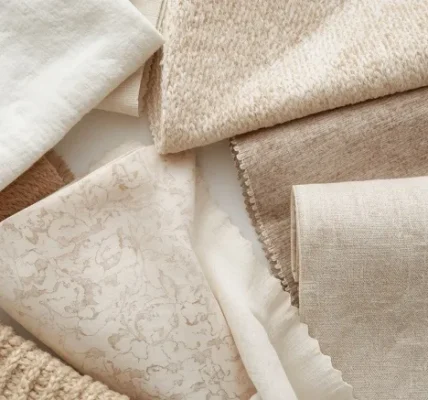
Lace is an open-weave fabric made from silk, cotton or synthetic fibre. It works as an overlay, bodice detail or full gown, giving a delicate, intricate finish.
Organza
Organza is a crisp, sheer fabric with more structure than chiffon. As a result, it suits dramatic ballgown skirts and layered silhouettes well.
Crepe
Crepe is a soft, matte fabric that drapes close to the body. Brides who want a sleek, modern silhouette without excess shine often favour it.
Wedding Dress Fabric Comparison
| Fabric | Weight | Best For | Season |
|---|---|---|---|
| Satin | Heavy | Structured ballgowns, A-line | Autumn/Winter |
| Chiffon | Very Light | Flowing sheath and column gowns | Spring/Summer |
| Tulle | Light | Voluminous ballgown skirts | Any season |
| Lace | Light-Medium | Overlays, bodices, sleeves | Any season |
| Organza | Light | Structured layered skirts | Spring/Summer |
| Crepe | Medium | Sleek, modern silhouettes | Any season |
Choosing Fabric by Wedding Setting
Outdoor and Beach Weddings
Chiffon, tulle and organza stay light and comfortable in warm weather. They also flow naturally in a breeze.
Formal Indoor Weddings
Satin, Mikado and jacquard provide the structure and polish suited to black-tie or winter celebrations.
Combining Fabrics
Many designers combine a structured base, such as satin, with a lace overlay or tulle skirt. This brings together the strengths of each fabric.
Caring for and Storing Wedding Dress Fabric
- Satin and silk: avoid direct heat, steam at a distance or use professional pressing
- Chiffon and tulle: naturally wrinkle-resistant, easy to fluff back into shape after travel
- Lace: handle gently to avoid snagging delicate threads
- Long-term storage: hang lightweight fabrics, fold structured gowns with acid-free tissue paper
See our full Textile Care & Conservation guide for detailed preservation techniques.
Common Myths About Wedding Dress Fabric
Heavier fabric always looks more expensive. Not necessarily. A well-cut lightweight fabric like crepe can look just as elegant and polished as a heavier satin.
Lace dresses cannot suit modern, minimalist styles. This is not quite true. Fine laces such as Chantilly can be used sparingly for a subtle, contemporary look rather than an overtly traditional one.
Frequently Asked Questions
What is the best fabric for a wedding dress?
There is no single best option. Satin suits formal winter weddings, while chiffon and organza suit warm-weather and outdoor ceremonies.
What is the difference between chiffon and organza?
Chiffon is soft and fluid with a matte finish. Organza, by contrast, is crisper and more structured with a slight sheen.
Is tulle only for veils?
No, tulle is also widely used in ballgown skirts and layered details, in addition to veils.
How should I store my wedding dress fabric long-term?
Fold structured gowns with acid-free tissue paper, or hang lightweight fabrics. Either way, keep them away from direct sunlight and humidity.
Related Reading
Written by the Textile Conservancy editorial team, dedicated to helping readers understand fabric, care for it properly, and make more sustainable material choices.