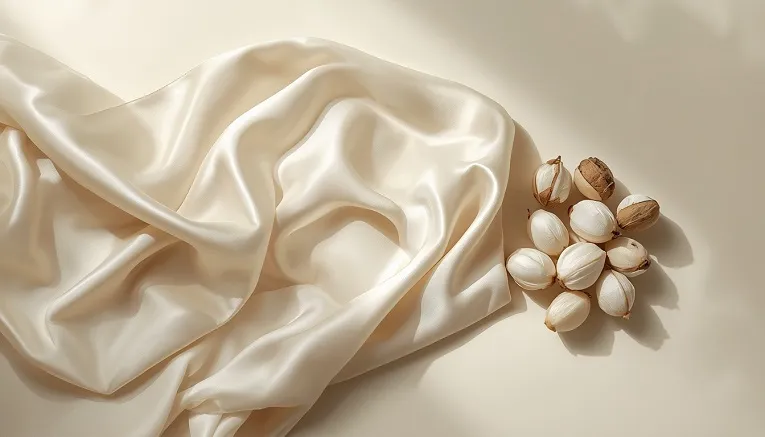
Silk Fabric Guide: Mulberry Silk, Charmeuse, Chiffon and Momme Weight Explained

What Is Silk Fabric?
Silk is a natural protein fibre produced by silkworms. It is prized for its smooth texture, natural sheen and lightweight strength. As one of the oldest luxury textiles, its history stretches back thousands of years to ancient China.
What Is Mulberry Silk?
Mulberry silk comes from the Bombyx mori silkworm, which feeds exclusively on mulberry leaves. This controlled diet produces long, uniform, exceptionally smooth fibres. As a result, mulberry silk is the most widely produced and highest-regarded type of silk on the market today.
Main Types of Silk Fabric
Charmeuse
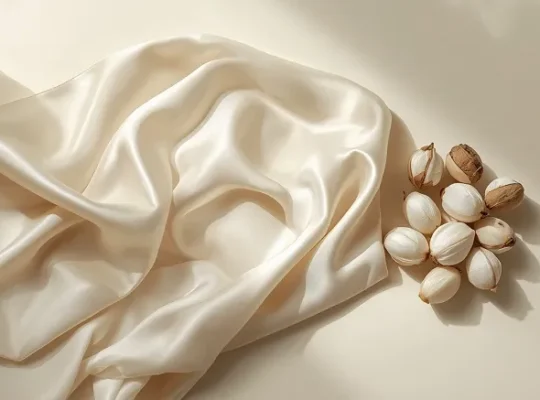
Charmeuse is a satin weave silk with a glossy front and matte back. It is known for its fluid drape and smooth, cool feel against the skin.
Silk Satin
This is a close relative of charmeuse, woven to maximise sheen and softness. It is commonly used in eveningwear and luxury bedding.
Silk Chiffon
Silk chiffon is a sheer, lightweight weave with a slightly rough texture and airy drape. It is popular for layered dresses and scarves.
Silk Organza
This is a crisp, transparent weave with more structure than chiffon. It is often used for overlays and voluminous silhouettes.
Dupioni Silk
Dupioni silk is woven from two different coloured threads with irregular slubs in the weave. This gives it a textured, slightly shimmering surface popular in structured occasion wear.
Tussar, Muga and Eri Silk
These are wild silk varieties from silkworms that feed on other leaves. They are generally more textured, less uniform and more affordable than mulberry silk, and often used in traditional handloom textiles.
Understanding Silk Weight: What Is Momme?
Silk weight is measured in momme (mm), indicating the weight of the fabric per unit area. Lighter silks, around 16 to 19 momme, suit scarves and sleepwear. Heavier silks, around 22 to 25 momme, suit bedding and structured garments, offering a fuller, more substantial drape.
Silk Grading Explained
Mulberry silk is graded on a scale that runs up to 6A, the highest commonly available grade. Grading is based on fibre length, cleanliness and consistency. Higher grades produce a smoother, more refined and more durable finished fabric, though grade is only one factor in overall quality alongside weave and finishing.
How to Choose Silk Fabric
For Clothing
Charmeuse and silk satin suit eveningwear. Chiffon and organza, meanwhile, suit layered, flowing designs.
For Bedding
Heavier momme mulberry silk, generally 22 momme or above, offers the best balance of durability and the fabric’s natural temperature-regulating properties.
For Sustainability and Skin Sensitivity
Mulberry silk is naturally hypoallergenic and resistant to dust mites. This makes it a popular choice for sensitive skin, and it is fully biodegradable at the end of its life. Read more in our Sustainable & Eco Textiles guide.
Caring for Silk Fabric
- Handwash in cool water with a silk-specific detergent, or dry clean
- Always air dry away from direct sunlight and heat
- Iron on the lowest heat setting, ideally with a protective cloth between iron and fabric
- Store folded with acid-free tissue paper rather than on a hanger for long-term storage
For a full fabric care routine, see our Textile Care & Conservation guide.
Common Silk Myths
Higher thread count always means better silk quality. Not for silk. Unlike cotton, thread count is a minor factor here; momme weight, fibre grade and weave matter considerably more.
All silk must be dry cleaned. Not true. Many silk fabrics can be gently handwashed at home with the right technique and detergent, though delicate weaves like chiffon are safer left to professionals.
Frequently Asked Questions
What is the difference between mulberry silk and charmeuse?
Mulberry silk refers to the fibre source, while charmeuse is a weaving technique. So mulberry silk fibres can be woven into charmeuse, satin or other silk fabrics.
Is silk a sustainable fabric?
Silk is a natural, biodegradable fibre with a relatively low water footprint compared with many synthetics, though ethical and environmental practices vary by producer.
What momme weight is best for a silk pillowcase?
Around 19 to 22 momme is generally considered the sweet spot, balancing softness with durability for everyday use.
Can silk be washed at home?
Yes, most silk can be handwashed in cool water with a gentle, silk-appropriate detergent and air dried flat.
Related Reading
Written by the Textile Conservancy editorial team, dedicated to helping readers understand fabric, care for it properly, and make more sustainable material choices.