Table Linen Fabric Guide: Linen, Cotton, Satin and Damask Explained

What Fabric Is Best for Table Linen?
Table linen fabric needs to balance appearance, durability and ease of care. Linen and cotton remain the most popular natural choices. Polyester and cotton-polyester blends, meanwhile, offer a lower-maintenance alternative for frequent use.
Main Table Linen Fabric Types
Linen
Linen is naturally textured and highly absorbent. It softens with every wash and holds a crisp, elegant fold. That said, it creases easily and is best suited to occasions where a relaxed, lived-in look is welcome.
Cotton
Cotton is easy to care for and widely available. It makes a reliable everyday choice, softer and less structured than linen but with less natural sheen.
Cotton-Linen Blends
These combine linen’s texture with cotton’s easier care. As a result, they offer a practical middle ground for households that want the look of linen without the same level of maintenance.
Satin and Damask
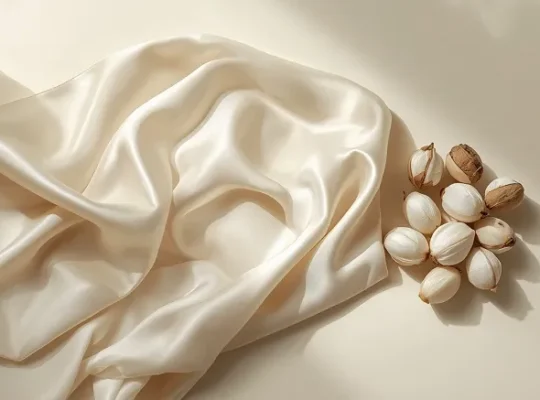
Satin offers a smooth, glossy finish suited to formal events. Damask, on the other hand, features an intricate woven pattern within the fabric itself, adding texture without needing embellishment.
Polyester
Polyester is durable, low-maintenance and resistant to wrinkling. This makes polyester table linen well suited to restaurants, events and large gatherings requiring frequent washing and quick turnover.
Choosing Fabric for Different Table Linens
Tablecloths
Heavier linen or cotton-linen blends drape well and hold their shape. This matters particularly for a floor-length or formal table setting.
Napkins
Linen and cotton-linen blends fold crisply and become softer with washing. Satin napkins, meanwhile, suit formal and wedding table settings needing extra polish.
Placemats and Table Runners
Slightly firmer weaves, including tightly woven cotton or linen-cotton blends, hold their shape better under plates and serving dishes than very soft or sheer fabrics.
Table Linen Fabric Comparison
| Fabric | Look | Care Level | Best For |
|---|---|---|---|
| Linen | Textured, relaxed elegance | Moderate, wrinkles easily | Everyday to formal dining |
| Cotton | Soft, classic | Low | Everyday use |
| Satin | Glossy, formal | Moderate, delicate | Weddings, formal events |
| Damask | Patterned, rich texture | Moderate | Formal dining, heirloom pieces |
| Polyester | Uniform, flat | Very low | Restaurants, large events |
How to Choose the Right Size
Dinner napkins typically measure between 45cm and 55cm square. A tablecloth should generally include a drop of 25 to 50cm beyond the table edge for a polished look. Most linen fabric is manufactured around 150cm wide, so very large tables may need a seamed join or a specially sourced wide-width fabric.
Sustainable Table Linen Choices
Reusable cloth linens in organic cotton or linen offer a far lower environmental impact over time than disposable paper or plastic table coverings. This holds true even accounting for regular laundering. See our Sustainable & Eco Textiles guide for more.
Caring for Table Linen Fabric
- Linen and cotton: machine wash warm, iron while still slightly damp for the crispest finish
- Satin: handwash or gentle cycle, iron on a low setting to protect the sheen
- Polyester: machine wash, requires little to no ironing
- Stain treatment: treat spills promptly, as table linen is especially prone to wine, oil and sauce stains
For a full fabric care routine, see our Textile Care & Conservation guide.
Common Table Linen Myths
Linen table linen is too high maintenance for everyday use. Not necessarily. Cotton-linen blends soften this trade-off considerably while keeping much of linen’s texture and appeal.
White is the only acceptable formal table linen colour. This is changing. While white and ivory remain classic choices, textured neutrals and seasonal colours are increasingly common even in formal dining settings.
Frequently Asked Questions
What is the best fabric for a tablecloth?
Linen and cotton-linen blends are generally considered the best balance of look and practicality for most tablecloths.
Is linen or cotton better for napkins?
Linen holds a crisper fold and becomes softer with each wash. Cotton, meanwhile, is easier to care for and more budget-friendly.
What size should dinner napkins be?
Most dinner napkins measure between 45cm and 55cm square, depending on the formality of the setting.
Can polyester table linen look elegant?
Yes, particularly in satin or textured polyester weaves, though natural fibres generally offer a more premium hand-feel.
Related Reading
Written by the Textile Conservancy editorial team, dedicated to helping readers understand fabric, care for it properly, and make more sustainable material choices.