Denim Fabric Guide: Raw, Selvedge, Washed and Stretch Denim Explained

What Is Denim Fabric?
Denim is a sturdy cotton twill fabric woven with a coloured warp thread, traditionally indigo, and a white weft thread. This combination creates its distinctive diagonal weave and the characteristic fading pattern it develops with wear.
Main Types of Denim Fabric
Raw Denim
Raw denim has not been washed or treated after weaving. It starts stiff and dark, then gradually softens. Over time, it develops unique fade patterns shaped entirely by the wearer’s movement and habits.
Selvedge Denim
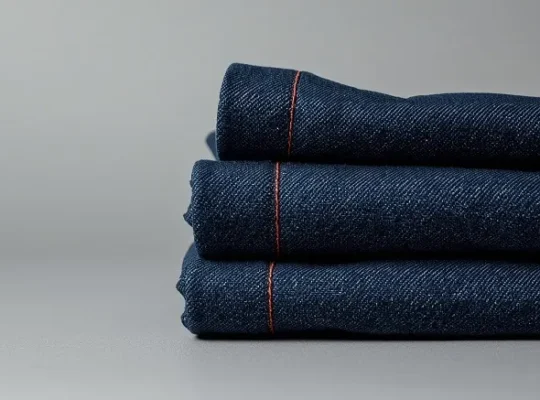
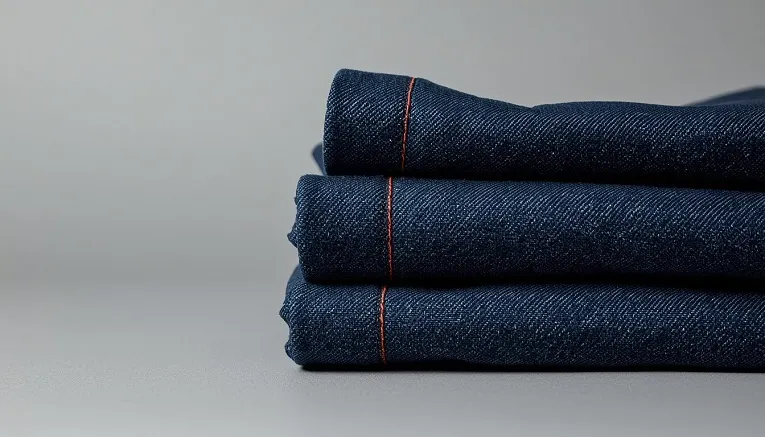
This is woven on traditional shuttle looms that create a clean, self-finished edge, often marked with a coloured thread line. Selvedge denim is typically denser, more durable and more expensive than standard mass-produced denim.
Washed Denim
Washed denim is pre-treated through washing or stone-washing processes. This gives it a soft handle and lived-in look from the very first wear, with none of raw denim’s initial stiffness.
Stretch Denim
Blended with a small percentage of elastane, stretch denim offers flexibility and a closer, more flattering fit than rigid denim. It is now one of the most widely produced denim types.
Rigid Denim
Rigid denim has no added stretch fibre. It is prized for its structure and durability, and is generally the starting point for the most dramatic fade patterns over time.
Denim Fabric Comparison
| Type | Feel | Fading | Best For |
|---|---|---|---|
| Raw denim | Stiff at first | Dramatic, personalised | Denim enthusiasts, long-term wear |
| Selvedge denim | Dense, structured | Distinctive, high contrast | Premium jeans and jackets |
| Washed denim | Soft immediately | Minimal further fading | Everyday casual wear |
| Stretch denim | Flexible, comfortable | Limited | Fitted jeans, everyday comfort |
Denim Weight and What It Means
Denim weight is measured in ounces per square yard. Lightweight denim sits around 9 to 10 oz and suits skirts and warm-weather garments. Mid-weight denim, around 11 to 13 oz, suits everyday jeans. Heavyweight denim above 14 oz suits jackets and workwear, where durability matters most.
How to Care for Denim
- Raw denim: avoid washing for as long as possible to let fades develop, spot clean only
- Washed and stretch denim: machine wash inside out in cold water to protect colour
- All denim: avoid tumble drying where possible, air dry to preserve shape and stretch recovery
For more fibre-specific care advice, see our Textile Care & Conservation guide.
Sustainable Denim Choices
Organic cotton denim, recycled denim blends and reduced-water dyeing processes are becoming more widely available. This reflects the denim industry’s efforts to address its historically high water and chemical use. Read more in our Sustainable & Eco Textiles guide.
Common Denim Myths
Raw denim should never be washed. This is a myth. Most raw denim benefits from an occasional cold wash once fades are established, contrary to the belief that it must never touch water.
All selvedge denim is raw denim. Not quite. Selvedge refers to the weaving method and edge finish, not the washing state, so selvedge denim can be either raw or pre-washed.
Frequently Asked Questions
What is the difference between raw and selvedge denim?
Raw denim describes an unwashed fabric state, while selvedge describes a weaving technique that produces a self-finished edge. A fabric can be both, either, or neither.
Is stretch denim good quality?
Quality stretch denim can be highly durable, though a very high elastane content may wear out faster than rigid denim over years of use.
How often should I wash raw denim?
Many raw denim wearers avoid washing for several months to let fades set in, then wash infrequently thereafter to preserve the pattern.
What weight of denim is best for jeans?
Around 11 to 13 oz is the most common weight range for everyday jeans, balancing durability and comfort.
Related Reading
Written by the Textile Conservancy editorial team, dedicated to helping readers understand fabric, care for it properly, and make more sustainable material choices.