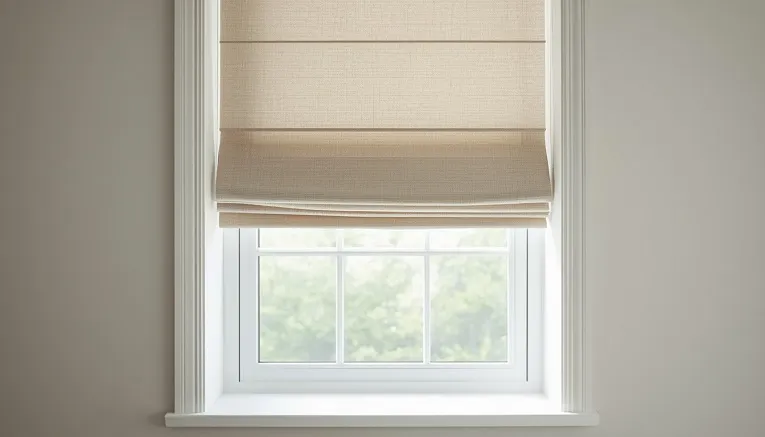
Roman Blinds Guide: Types, Blackout Options and Where to Buy in the UK

What Are Roman Blinds?
Roman blinds are a soft window covering made from a single piece of fabric. When raised, they fold into neat horizontal pleats. When lowered, they hang flat. This combines the tailored look of blinds with the soft texture of curtains. As a result, they are a popular choice for windows across the UK.
Types of Roman Blinds
Blackout Roman Blinds
Blackout roman blinds use a thick lining behind the main fabric. This blocks out sunlight almost completely. For this reason, they are a favourite for bedrooms and anywhere a fully dark room is needed.
Linen Roman Blinds
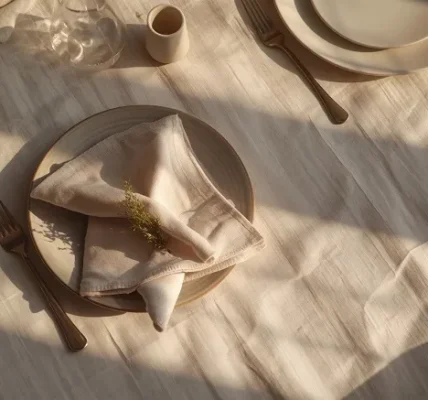
Linen roman blinds offer a relaxed, textured look. They also breathe well. This suits living rooms and other spaces where soft, filtered light is preferred over full blackout.
Roman Bamboo Blinds
These are made from woven bamboo or grass fibres. They bring a natural, textured warmth to a room. Consequently, they suit relaxed or coastal-style interiors.
Sheer and Voile Roman Blinds
These lighter, semi-transparent options filter sunlight while maintaining daytime privacy. They are often chosen for kitchens and home offices.
Ready Made vs Made to Measure Roman Blinds
Ready made roman blinds come in fixed standard sizes. They are generally cheaper and quicker to buy. Made to measure roman blinds, on the other hand, are cut precisely to a window’s dimensions. This gives a more tailored, snug fit.
Roman Blinds for Different Rooms
Roman Blinds for the Kitchen
Roman blinds in the kitchen work best in easy-clean, moisture-resistant fabrics. A wipeable coating also helps, since kitchens are prone to steam and splashes.
Roman Blinds for Bedrooms
Blackout roman blinds are the standard choice here. Many homeowners pair them with curtains for extra insulation and a fuller, layered look.
Roman Blinds and Curtains Together
Many UK homes now pair roman blinds with curtains. The blind handles daily light control, while the curtains add texture, warmth and drama at the window.
Where to Buy Roman Blinds in the UK
Roman blinds are widely available from both high street retailers and specialist made to measure services. IKEA roman blinds suit simple, ready made needs on a budget. Dunelm roman blinds and John Lewis roman blinds offer a wider range of patterns and made to measure options. Argos roman blinds and Next roman blinds are convenient for standard sizes at accessible prices. Dedicated blind specialists typically offer the broadest fabric choice for a fully made to measure fit. Shoppers outside the UK, including those searching for roman blinds NZ or through retailers like Bunnings, will find similar core styles available locally, including blackout, linen and bamboo.
Cheap Roman Blinds: What to Expect
Cheap roman blinds are usually ready made in standard sizes with simpler fabric choices. They suit rental properties or budget-conscious buyers well. Made to measure options, however, generally offer a better fit, more fabric choice and longer-lasting mechanisms for a modest extra cost.
How to Make Roman Blinds at Home
- Measure the window recess or outer frame precisely, allowing extra fabric for hems
- Choose a fabric weight suited to the room, lightweight linen for living areas or a blackout lining for bedrooms
- Sew horizontal pocket seams to hold the support rods that create the folding pleats
- Attach a lifting cord system through screw eyes along the top of the blind
- Fit a headrail or batten at the top of the window and hang the finished blind
Sewing your own roman blind gives full control over fabric choice. This is an option not always available with ready made or big-box retailer designs.
Roman Blinds vs Other Window Coverings
| Style | Look | Light Control | Best For |
|---|---|---|---|
| Roman blinds | Soft, tailored folds | Good to excellent (with blackout lining) | Bedrooms, living rooms, kitchens |
| Roller blinds | Flat, minimal | Good | Modern, minimalist spaces |
| Curtains | Flowing, layered | Variable | Living rooms, added insulation |
| Venetian blinds | Adjustable slats | Excellent, adjustable | Offices, kitchens |
Caring for Roman Blind Fabric
Most roman blinds need regular dusting with a soft brush attachment. Spot clean rather than fully wash them, since removing and reattaching the support rods can disturb the fold structure. Linen and bamboo roman blinds also benefit from occasional airing. This helps prevent musty smells in humid rooms such as bathrooms and kitchens. For fabric-specific care advice, see our Textile Care & Conservation guide.
Sustainable Roman Blind Fabric Choices
Organic cotton, linen and bamboo are widely regarded as lower-impact fabric choices for roman blinds. This is especially true compared with synthetic alternatives. Read more in our Sustainable & Eco Textiles guide.
Common Roman Blind Myths
Roman blinds cannot fully block out light. This is not quite true. A properly fitted blackout roman blind, extending slightly beyond the window frame, blocks light almost as effectively as blackout curtains.
Made to measure always costs far more than ready made. Prices actually vary widely. Many made to measure services now sit closer to ready made pricing, especially for standard window sizes.
Frequently Asked Questions
What is the difference between roman blinds and roman shades?
The terms are largely interchangeable. “Roman shades” is more commonly used in the US, while “roman blinds” is the standard UK term for the same folding fabric design.
Are blackout roman blinds good for bedrooms?
Yes, blackout roman blinds are one of the most effective window coverings for blocking light in bedrooms, particularly when fitted to extend beyond the window frame.
Can I fit roman blinds in a kitchen?
Yes, though an easy-clean or wipeable fabric is recommended given the steam and splashes common in kitchens.
Are IKEA or Dunelm roman blinds good quality?
Both offer solid ready made options at accessible prices. That said, a dedicated made to measure service will usually provide a more precise fit and wider fabric range.
How do I clean a roman blind?
Dust regularly with a soft brush attachment and spot clean stains. Fully washing can disturb the internal rods that hold the fold shape.
Related Reading
Written by the Textile Conservancy editorial team, dedicated to helping readers understand fabric, care for it properly, and make more sustainable material choices.