Home Textile Decor Fabric Guide: Curtains, Bedding and Upholstery Explained

Why Fabric Choice Matters in Home Decor
The fabric behind curtains, bedding and upholstery affects far more than appearance. It shapes light control, insulation, durability, and how a room actually feels to live in.
Curtain Fabrics
Linen Curtains
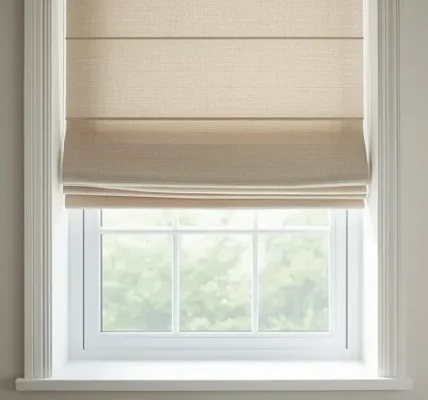
Linen curtains are breathable and light-filtering. They keep rooms cool in summer and suit coastal, cottage and relaxed interior styles. Maintenance is minimal, beyond occasional spot cleaning.
Cotton Curtains
Cotton curtains are durable, affordable and breathable. This makes cotton one of the most versatile curtain fabrics, and it is machine washable in most cases.
Velvet and Silk Curtains
Velvet and silk are heavier and more insulating. As a result, they suit formal spaces well and provide better light-blocking and temperature control, particularly for bedrooms.
Bedding Fabrics
| Fabric | Feel | Best For |
|---|---|---|
| Cotton percale | Crisp, cool | Warm sleepers, everyday sheets |
| Cotton sateen | Soft, slightly glossy | Year-round comfort |
| Linen | Textured, breathable | Hot climates, relaxed style |
| Flannel | Warm, brushed | Cold weather bedding |
| Bamboo/TENCEL | Silky, moisture-wicking | Sensitive skin, sustainability |
Upholstery Fabrics
Cotton and Linen Blends
These blends provide a natural look and reasonable durability for lower-traffic furniture.
Performance Fabrics
These are engineered synthetic blends that resist stains and wear. This makes them well suited to family rooms and high-traffic seating.
Velvet
Velvet adds texture and depth to a room. That said, it requires more careful cleaning than performance fabrics.
Choosing Fabric by Room
Bedrooms
Prioritise blackout-lined curtains and breathable bedding for better sleep quality.
Living Rooms
Balance style and practicality with performance upholstery fabrics that withstand daily use.
Kitchens and High-Moisture Areas
Choose easy-clean, moisture-resistant fabrics over delicate natural fibres here.
Sustainable Home Textile Choices
Organic cotton, linen and recycled polyester are increasingly available for curtains, bedding and upholstery. This offers a lower-impact alternative without sacrificing durability. Our Sustainable & Eco Textiles guide covers this in more depth.
Caring for Home Textile Fabrics
- Curtains: vacuum regularly, wash or dry clean per label, avoid prolonged direct sunlight to prevent fading
- Bedding: wash weekly on a warm cycle appropriate to the fibre
- Upholstery: spot clean promptly, professional clean annually for heavy-use pieces
See our full Textile Care & Conservation guide for detailed routines.
Common Home Textile Myths
Heavier fabric always means better insulation. Not quite. Weave density matters as much as weight; a tightly woven lighter fabric can insulate better than a loosely woven heavy one.
Velvet is too delicate for everyday furniture. This is outdated. Modern performance velvets are treated to resist stains and hold up well to regular family use.
Frequently Asked Questions
What is the best fabric for curtains?
Linen and cotton work well for light-filtering curtains. Velvet or lined synthetics, meanwhile, suit rooms needing better insulation and blackout.
What thread count is best for bedding?
Thread count matters less than fibre quality and weave. A well-made 300-400 thread count cotton sheet often outperforms a poorly made higher count.
Is performance fabric good for upholstery?
Yes, particularly for households with children or pets, as it resists stains and wear better than natural fibre alternatives.
How often should curtains be washed?
Every three to six months for most homes, though kitchens and high-pollution areas may need more frequent cleaning.
Related Reading
Written by the Textile Conservancy editorial team, dedicated to helping readers understand fabric, care for it properly, and make more sustainable material choices.