Waterproof Fabric Guide: Coatings, Membranes and Hydrostatic Head Ratings Explained

What Makes a Fabric Waterproof?
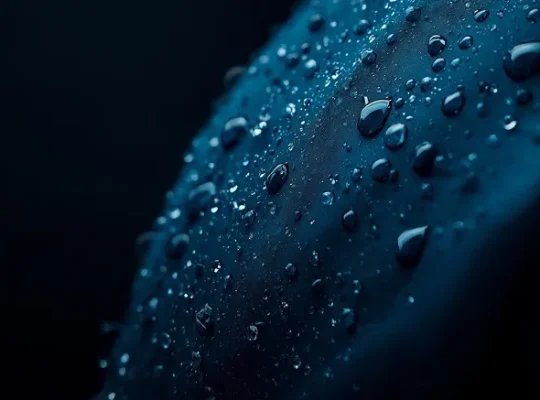
Waterproof fabric is engineered to block liquid water from passing through. It uses tight weaving, chemical coatings, or laminated membranes. Ordinary fabric, by contrast, absorbs water like a sponge.
Main Types of Waterproof Fabric
PU (Polyurethane) Coated Fabric
This uses a liquid polymer layer applied to the fabric surface. It is affordable and effective, though it offers limited breathability and can degrade with UV exposure over time.
PVC Coated Fabric
PVC coating is extremely durable and completely waterproof. However, it is heavier and offers no breathability, making it well suited to stationary uses like tarps and covers rather than clothing.
Membrane Laminates (Gore-Tex and Similar)
This involves a thin waterproof membrane bonded between fabric layers. It contains microscopic pores far smaller than water droplets but larger than water vapour molecules. As a result, rain stays out while sweat escapes, making membrane fabrics the top choice for outdoor activewear.
Waxed Cotton
Waxed cotton is a naturally water-resistant fabric treated with wax. It offers a classic look and repairable water resistance, though it requires more maintenance than synthetic options.
PUL (Polyurethane Laminate)
This is a soft, flexible knit or woven fabric laminated with a thin polyurethane film. It is commonly used for reusable nappies, mattress protectors and washable liners, where comfort and washability matter most.
Understanding Hydrostatic Head Ratings
Waterproof fabric performance is often measured in hydrostatic head (mm). This is the amount of water pressure a fabric can withstand before leaking.
| Rating | Protection Level | Suitable For |
|---|---|---|
| 3,000-5,000mm | Light rain | Urban commuting, short walks |
| 5,000-10,000mm | Moderate rain | General outdoor wear, everyday jackets |
| 10,000-20,000mm | Heavy rain | Hiking, backpacking |
| 20,000mm+ | Severe weather | Mountaineering, expedition gear |
Waterproof vs Water-Resistant: What Is the Difference?
Water-resistant fabric slows water penetration for a limited time, such as light drizzle, but will eventually let moisture through. Waterproof fabric, by contrast, is tested to a specific hydrostatic head rating. It is designed to keep water out entirely under normal use conditions.
Choosing Waterproof Fabric by Use
Outdoor Clothing and Jackets
Breathable membrane laminates like Gore-Tex suit high-output activities such as hiking well. Here, trapped sweat is as much a problem as rain.
Camping and Stationary Gear
PU or PVC coated fabrics work well for tents, groundsheets and covers, where breathability matters less than raw waterproofing.
Home and Baby Products
PUL and TPU fabrics are softer and more skin-friendly. This makes them the standard choice for mattress protectors and washable baby products.
Marine and Upholstery
Heavy PVC and vinyl fabrics withstand abrasion, UV exposure and repeated cleaning better than delicate membrane fabrics.
Caring for Waterproof Fabric
- Wash with technical detergents free from perfumes and fabric softeners, which can clog membrane pores
- Avoid fabric softeners entirely on membrane and laminated fabrics
- Reapply a DWR (durable water repellent) treatment every six to twelve months on outdoor gear
- Air dry or tumble dry on low heat where the label allows, to help reactivate DWR coatings
For further fibre-specific care guidance, see our Textile Care & Conservation guide.
Common Waterproof Fabric Myths
A higher hydrostatic head rating is always better. Not necessarily. Very high ratings often sacrifice breathability, so matching the rating to the actual activity matters more than chasing the highest number available.
Waterproof fabric stays waterproof forever. It does not. DWR coatings wear off with use and washing, and even membrane fabrics benefit from periodic reproofing to maintain full performance.
Frequently Asked Questions
What is the most breathable waterproof fabric?
ePTFE membrane fabrics such as Gore-Tex are generally considered the most breathable while still fully waterproof.
Is PU or PVC coating better?
PU coating is lighter and more breathable, while PVC is heavier but more durable and better suited to stationary or marine use.
How long does waterproof fabric last?
Membrane fabrics typically perform well for three to five years with regular use, while PU and PVC coatings can last five to ten years but lose breathability sooner.
What waterproof rating do I need for a UK festival?
A moderate rating of 5,000 to 10,000mm is generally sufficient for typical UK festival and outdoor conditions.
Related Reading
Written by the Textile Conservancy editorial team, dedicated to helping readers understand fabric, care for it properly, and make more sustainable material choices.