The Textile Industry in the UK: History, Key Companies and Where It Stands Today

Does the UK Have a Textile Industry?
Yes, it does. The UK textile and fashion sector remains a significant part of the economy. It contributes tens of billions of pounds in gross value added. It also supports well over a million jobs across design, manufacturing, wholesale and retail. In fact, textiles rank among the country’s largest export categories.
How Big Is the UK Textile Industry?
According to UK Fashion & Textile Association (UKFT) figures, the wider fashion and textile sector spans roughly 65 billion pounds in industry activity. It supports careers across twelve sub-sectors. Textiles also sit among the UK’s biggest thirty exports by value. Separate industry data puts direct manufacturing output in the tens of billions of pounds annually. Overall, the fashion and textile supply chain contributes an estimated 62 billion pounds directly to UK GDP. It supports around 1.3 million jobs nationwide.
A Brief History of the UK Textile Industry
The Birth of Cottonopolis
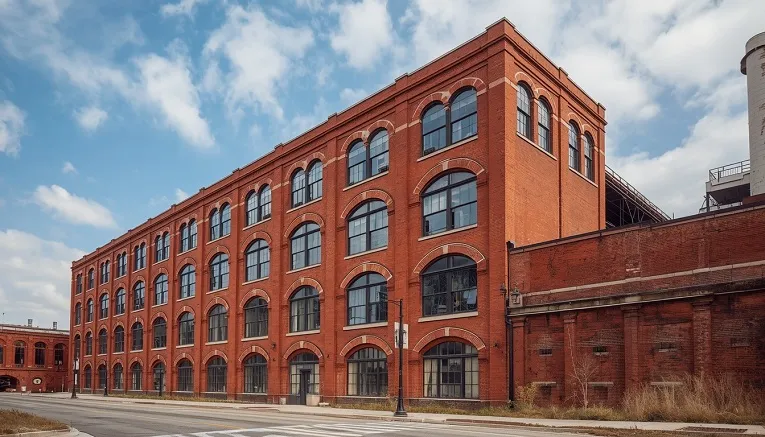
Manchester earned the nickname “Cottonopolis” during the Industrial Revolution. At that time, the city and its surrounding towns became the centre of the global cotton industry. The world’s first steam-driven textile mill opened in Manchester in 1781. By the 1850s, the North West of England was producing a significant share of the world’s cotton cloth.
Why Manchester Became the Hub
Several factors combined to make the region ideal for textile production. A humid climate suited yarn spinning well. Steep Lancashire streams provided power for washing and bleaching cotton. Accessible coalfields supplied steam power. Strong trade links through Liverpool’s docks completed the picture.
Decline and Revival
The industry began to decline after the First World War. Cheaper overseas alternatives emerged, and the last major cotton mills closed by the 1980s. However, a smaller but higher-value textile manufacturing sector has re-emerged in Greater Manchester in recent years. This new wave focuses on quality and “Made in UK” positioning rather than volume production.
Which City Is Famous for the Textile Industry in the UK?
Manchester remains the UK city most associated with textiles historically. Still, the modern industry spreads across several regions. Greater Manchester continues to be the biggest single hub for textile manufacturing jobs in the country. Significant activity also exists in West Yorkshire, the East Midlands and parts of Scotland known for wool and tweed production.
Top Textile Companies and Manufacturers in the UK
The UK textile and textile wholesaling sector includes a mix of long-established manufacturers and modern specialist producers. Notable names in fabric and bed linen wholesaling include Turner Bianca, Romo and Richard Haworth. On the manufacturing side, English Fine Cottons reintroduced large-scale cotton spinning to the North West. Private White V.C. is another key name, running one of the last vertically integrated clothing factories still operating in Manchester.
Famous British Textile and Fashion Brands
| Brand | Known For |
|---|---|
| Burberry | Gabardine fabric and heritage outerwear |
| Barbour | Waxed cotton jackets |
| Mulberry | British-made leather goods |
| Private White V.C. | Manchester-manufactured outerwear |
| Community Clothing | Affordable, UK-manufactured basics |
| English Fine Cottons | British-spun premium cotton |
The Role of the UK Fashion and Textile Association
The UK Fashion and Textile Association, known as UKFT, is the largest trade association network for the sector. It brings together brands, designers, manufacturers, suppliers and retailers. UKFT supports members with regulatory guidance, international trade support and sustainability initiatives. It also acts as the industry’s recognised Sector Skills Body for training and workforce development.
What Is the Biggest Textile Fair in the UK?
The London Textile Fair is widely regarded as the UK’s largest dedicated textile exhibition. It is held twice yearly at the Business Design Centre in Islington. Several hundred exhibitors of fashion fabrics, trims and print studios attend each edition. Pure London, meanwhile, is the UK’s largest broader fashion trade show. It covers finished collections across womenswear, footwear and accessories, rather than fabric sourcing specifically.
Textile Industry Jobs in the UK
Textile and fashion sector jobs span a wide range of roles. These include spinning, weaving and garment manufacturing, as well as design, merchandising, sustainability and technical textile research. Greater Manchester alone accounts for several thousand textile manufacturing jobs. A further concentration exists in the garment and knitted clothing sub-sector. Universities such as Huddersfield also run dedicated technical textiles research departments, feeding skilled talent into the industry.
Sustainable and Circular Practices in the UK Fashion and Textile Industry
Sustainability has become a central focus for the sector. Investment is growing in recycled fibres, closed-loop manufacturing and extended producer responsibility schemes. UKFT runs dedicated sustainability programmes for members. Meanwhile, a rising number of UK manufacturers are positioning “Made in UK” and lower-impact production as a point of difference against imported fast fashion. For more on sustainable fabric choices, see our Sustainable & Eco Textiles guide.
Which Country Has the Best Textile Industry?
There is no single definitive answer here. Different countries lead in different aspects of textile production. China and India lead by manufacturing volume. Italy is widely regarded as a leader in luxury textile craftsmanship. The UK, meanwhile, holds a strong reputation for technical textiles, wool and heritage fabric production, such as Harris Tweed and fine cotton spinning. This is despite operating at a smaller manufacturing scale than the global leaders.
Common Misconceptions About the UK Textile Industry
The UK textile industry disappeared after the mills closed. This is not accurate. While large-scale cotton manufacturing declined sharply, the wider fashion and textile sector remains a major UK employer and exporter. In fact, a smaller, higher-value manufacturing base has re-emerged in recent years.
All UK clothing brands manufacture domestically. Many well-known British brands design in the UK but manufacture overseas. Still, a smaller group of manufacturers, such as Private White V.C. and Community Clothing, continue to produce garments within the UK itself.
Frequently Asked Questions
Does the UK have a textile industry?
Yes, the UK retains a significant fashion and textile sector, spanning manufacturing, wholesaling, design and retail, and contributing tens of billions of pounds to the economy each year.
Which country has the best textile industry?
It depends on the measure used. China and India lead on manufacturing scale, Italy on luxury textile craftsmanship, and the UK on technical and heritage textile production.
What is the biggest textile fair in the UK?
The London Textile Fair is the UK’s largest dedicated fabric and textile trade exhibition, held twice a year in London.
What are some famous British textile brands?
Burberry, Barbour, Mulberry, Private White V.C. and English Fine Cottons are among the UK’s best-known textile and fashion names.
Which city is famous for the textile industry in the UK?
Manchester, historically nicknamed “Cottonopolis,” remains the city most closely associated with the UK textile industry. It also continues to be its largest manufacturing hub today.
Related Reading
Written by the Textile Conservancy editorial team, dedicated to helping readers understand fabric, care for it properly, and make more sustainable material choices.